
 EN
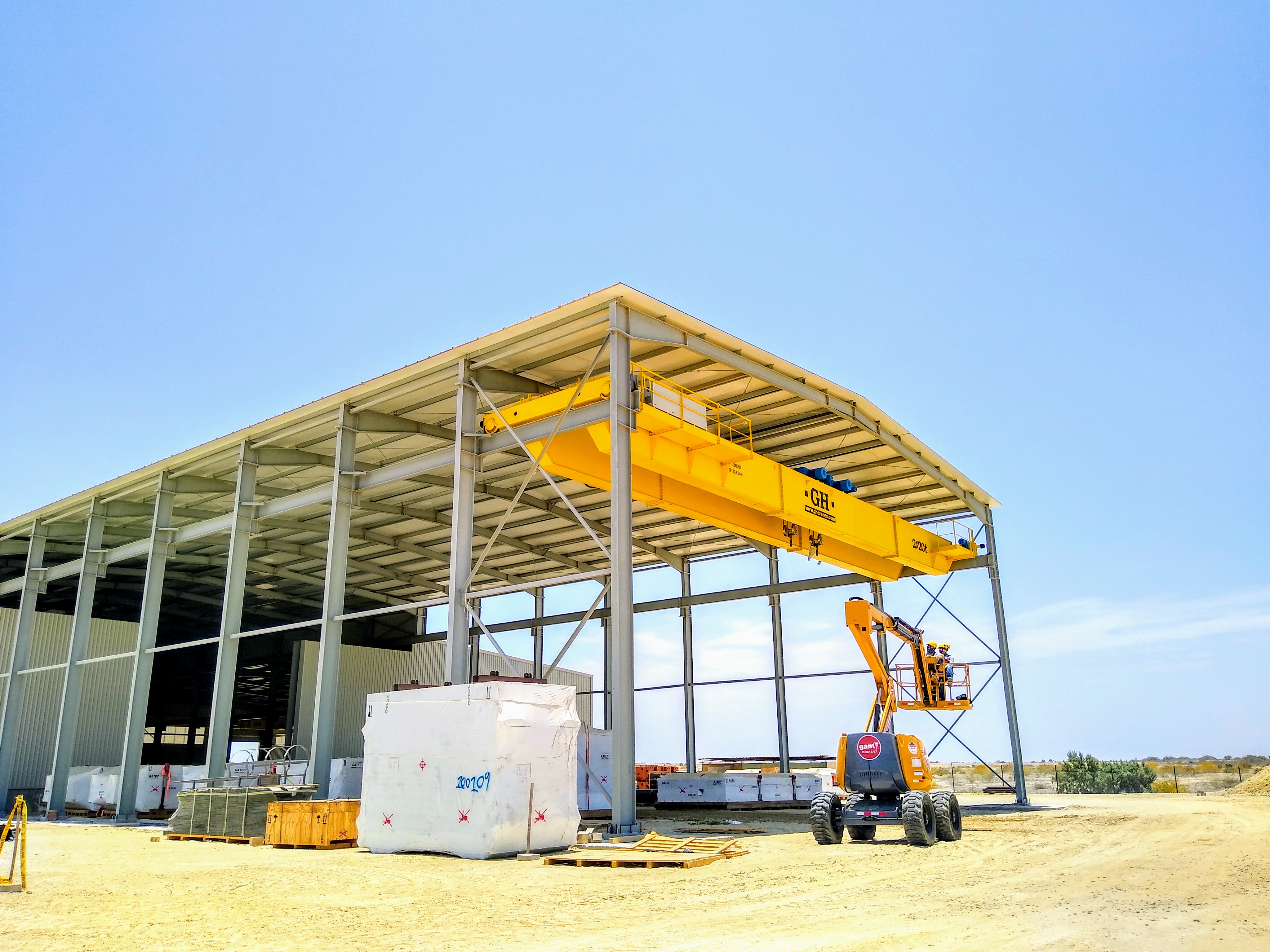
The success story in Peru continues. Affordable, yet com-fortable and safe housing to meet the growing demand in living space – this is what project developers and national governments in many regions of the world are striving for. Llaxta is leading the way in Peru. The company has grown from a start-up to one of the country’s most important real estate developers in the last ten years – with the help of planning and production technology from Germany.
The success story began about ten years ago with the first project in Ica, south of the capital Lima. The production facilities for the modular houses and necessary formwork technology were jointly made possible by Reymann Technik as the planning and engineering office and Ratec as the component supplier. Within ten months, the first production plant for precast modular houses in South America was built and the evolution of the new settlement of “Las Piedras de Buena Vista” started. In the meantime, further development projects have been created within a radius of up to 50 km from the first project, for which the room modules and concrete elements are manufactured in the plant in Ica.
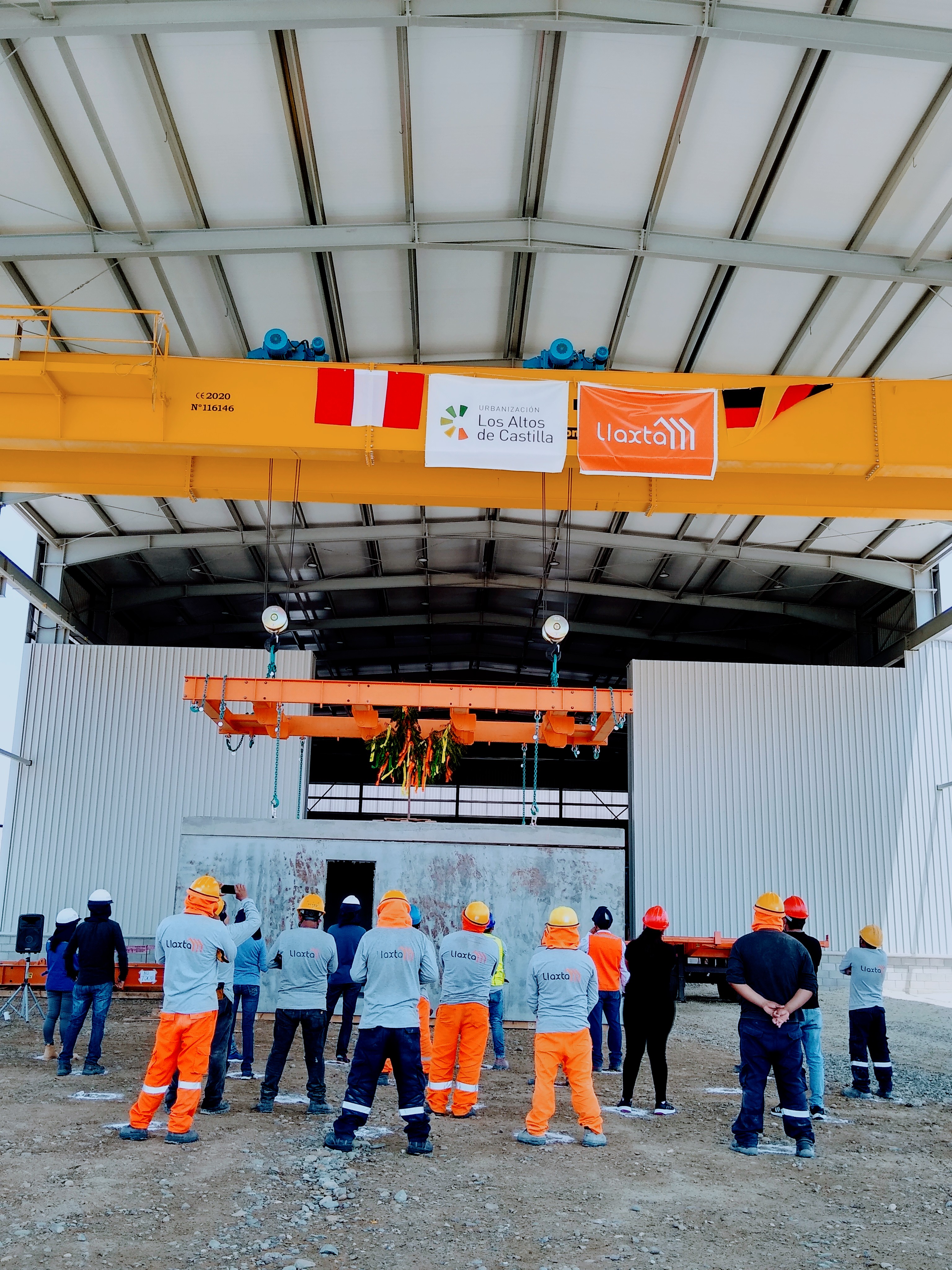
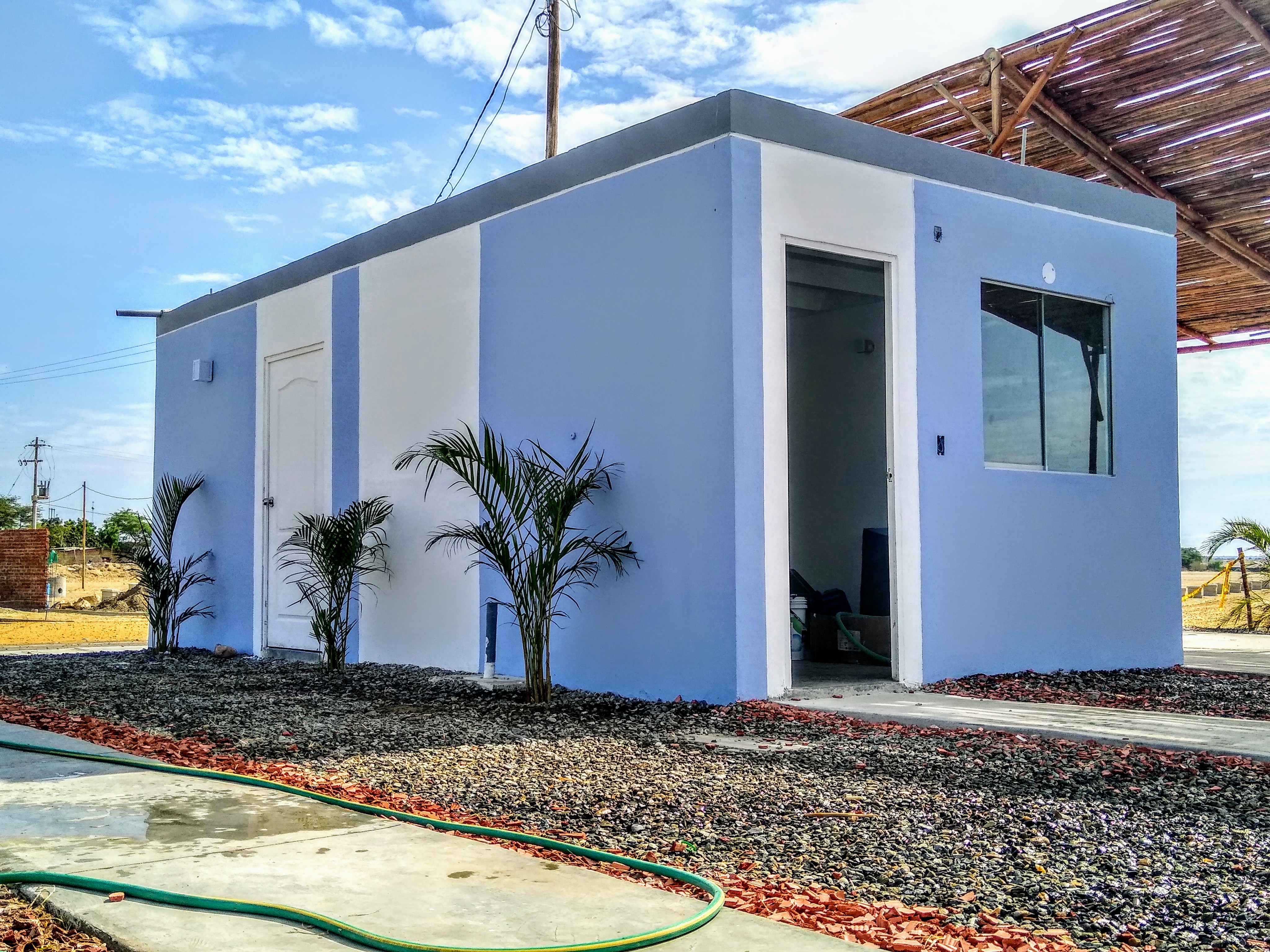
The successful concept is now being transferred to other parts of the country. At the beginning of 2021, the second modular housing factory went into operation in northern Peru, in the Piura region. The house concept for the new “Los Altos de Castilla” settlement was tailored to the region and its needs. Each house consists of one module with a total area of 25 m², divided into living room/kitchen, bedroom and bathroom. It is offered in a complete package consisting of the house on a plot of 72 m², as well as electricity, water and drainage. The houses are subsidized up to 80 % by government interest-free loans granted by the Ministry of Housing for low-income families. The home can still be expanded later on the associated land plot as needed by the residents. This project is also ambitious: more than 20,000 homes will be built and are intended to offer residents a higher quality of life.
Reymann Technik was again appointed as planning office and general contractor, adapting the concept of the first plant and further developing it from the experience gained in the previous project.
Online-Assembly
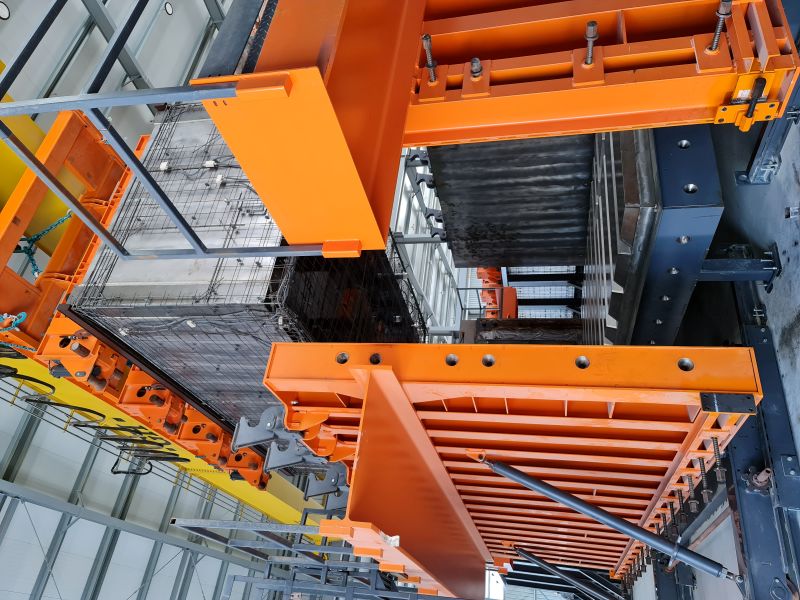
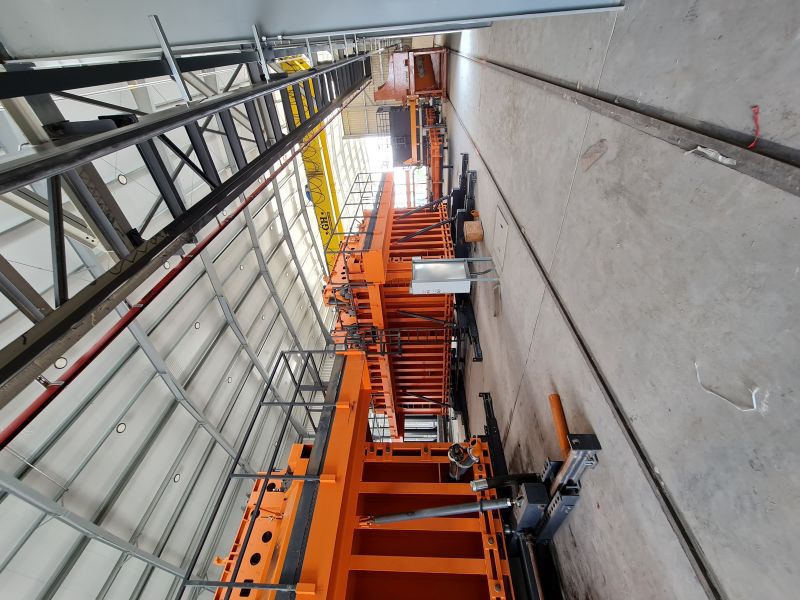
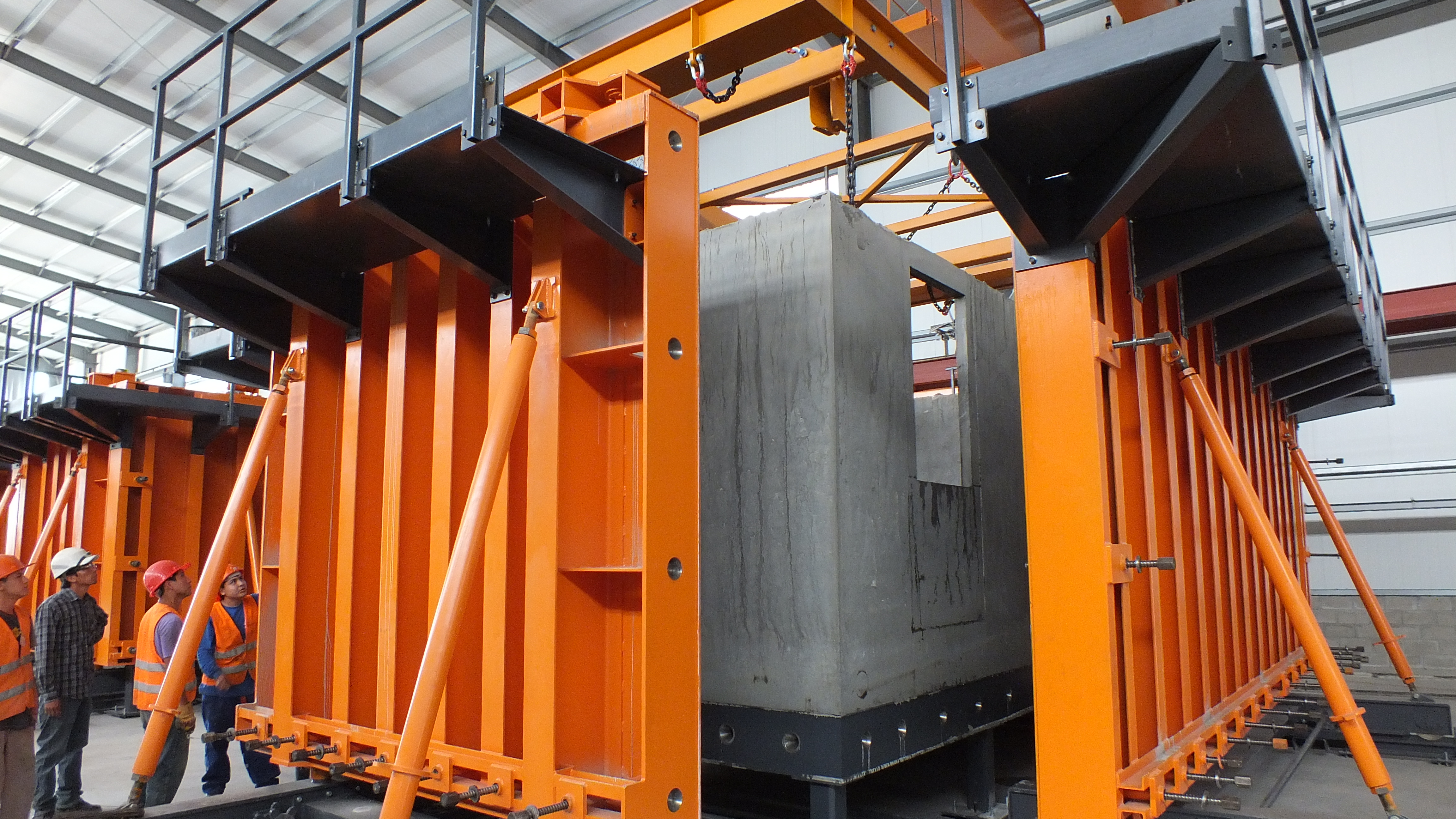
The formwork and pumping technology was again provided by Ratec. The equipment includes two room module moulds adapted to the new house design, a battery system for the production of interior walls and two roof moulds for the flat roof. Together with the pumping technology, a UPP100 pump car from Ratec, and the components for the mixing plant and concrete laboratory, the equipment was delivered as early as mid-2020. Due to travel restrictions imposed by the ongoing COVID-19 pandemic, the assembly work could not start by Ratec’s technical project management team as scheduled. Instead, an online assembly was used, where the customer’s technicians were able to assemble most of the equipment under the guidance of the project engineers from Germany using detailed drawings, live video and chat. It was only thanks to this cooperation and creative problem-solving skills from both sides that this exceptional approach succeeded. At the end of 2020, the assembly could finally be completed by one of Ratec’s engineers on site.
Production is now running at high capacity to catch up with the backlog of 4,000 housing units already sold. Two room modules can be produced per mould and day, resulting in four houses per day.
Special characteristics, that speak for upcrete
Production of a room module in installation position is rather the exception in precast room module production, but carries specific advantages. One of them is avoiding the turning process. At the same time, pressure filling ensures optimum spreading of the concrete in the mould and thus an excellent surface quality on all sides.
Due to the greater room dimensions of 7.15 x 3.54 m with a height of 2,60 m in this project, the modular moulds had to be designed more stable in order to withstand the concrete pressure without risking deflection. During the filling procedure, the 35 t shrinking core is pressed upwards with a force of about 150 t, counteracted by the robust bracing of core and outer panels on top of the mould.
The wall thicknesses are also particularly narrow with 80 mm, which is another reason to opt for pumping with upcrete.
A promising concept under the right conditions
Llaxta’s two modular housing plants are unique not only in South America, but worldwide. There is great interest in other regions for similar concepts. But the feasibility for Modular Housing with upcrete is linked to certain framework conditions:
- Llaxta’s two modular housing plants are unique not only in South America, but worldwide. There is great interest in other regions for similar concepts. But the feasibility for Modular Housing with upcrete is linked to certain framework conditions:
- The availability of raw materials for the production of a suitable self-compacting concrete (SCC) should be ensured.
- The distance from the factory to the construction site and the conditions for transportation for the size of the room modules and their weight should be given. Distances up to 50 km have been tested and proven feasible in Ica so far.
- The house concept and architecture should ensure a high degree of standardization to be able to offer different house types with few components. They should correspond with regional conditions and the needs of future residents. The simultaneous planning with an architect and plant engineer together would be the ideal case.
Overall, under the right conditions Modular Housing with upcrete is a promising concept, especially in regions with a high demand for affordable housing.
The advantages are evident:
- Standardized construction process;
- optimized use of materials;
- conservation of resources;
- qualification of work in the plant through consistent processes and methods – an advantage especially in countries with a low skilled labour force;
- rapid completion of housing units thanks to modular construction method;
- high quality of concrete elements, reducing the need for rework through the use of upcrete pumping technology.
With the first project in Peru, a vision became reality. The completion of the second modular house factory now demonstrates the sustainable success and economic efficiency with the right production solution, supported by the vision of creating a higher quality of life for people by creating affordable living space.